
Fertility-Enhancing Surgeries in Women: A
Complete Guide
Fertility-Enhancing Surgeries in Women: A Complete Guide
Structural problems in the uterus, fallopian tubes or pelvic cavity often stand between acouple and pregnancy, even when hormones and egg quality are normal. Modern minimally invasive surgery allows correction of these issues with remarkable precision, faster healingand preservation of reproductive potential. As fertility consultants, we rely on global guidelines and decades of accumulated evidence to recommend only those procedures that meaningfully improve success. These surgeries aim to restore anatomy, reduce inflammation and create the best possible environment for natural conception or assisted reproduction.
What Are Fertility-Enhancing Surgeries?
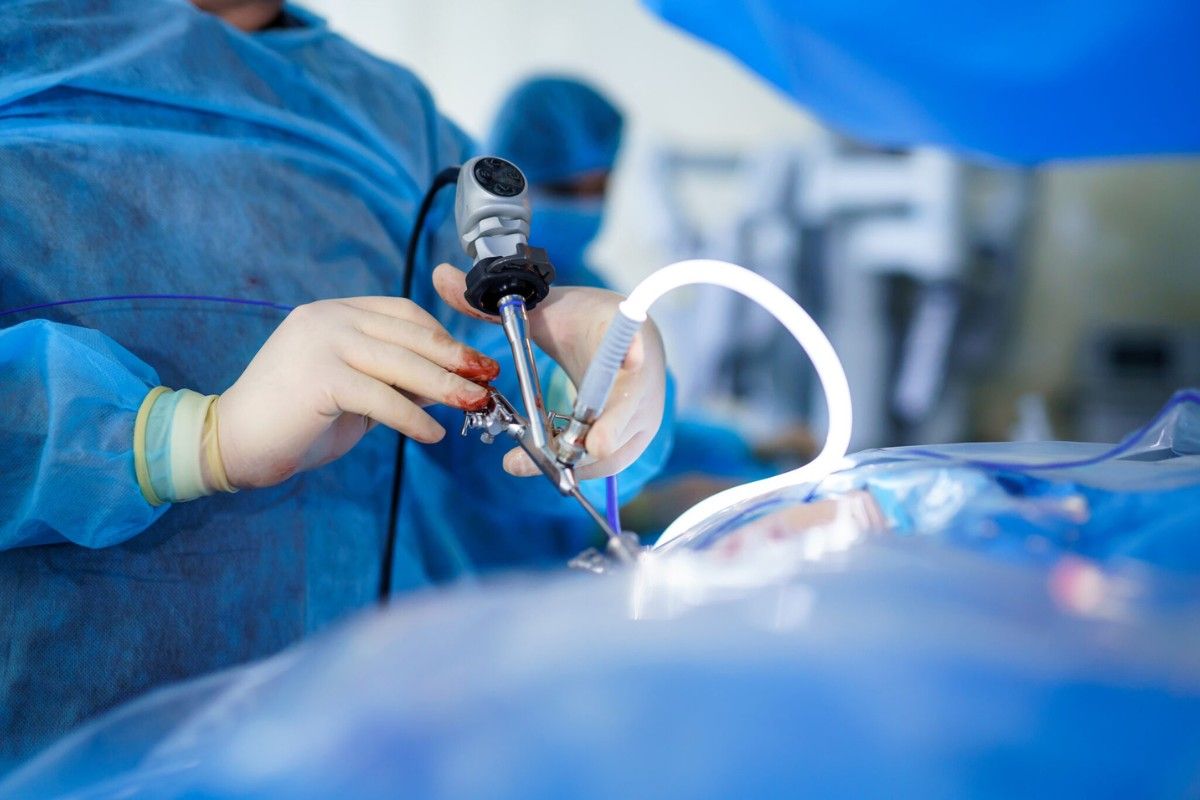
Fertility-enhancing surgeries correct anatomical barriers that interfere with conception orembryo implantation. They are almost always performed using hysteroscopy or laparoscopy,both of which offer minimal pain, minimal scarring and superior visualisation. Each technique has a well-defined role, and choosing the appropriate procedure depends on the diagnosis and a patient’s overall fertility plan. These procedures are most effective when combined with correct diagnosis, careful case selection and a team trained in reproductive microsurgery.
Hysteroscopy: Direct Access to the Uterine Cavity
Hysteroscopy provides a clear, magnified view of the uterine cavity, allowing both diagnosis and treatment without abdominal incisions. It is especially valuable in women with unexplained infertility, recurrent pregnancy loss or abnormal imaging findings. Correctingcavity abnormalities often improves implantation and reduces miscarriage risk.The gentle, conservative nature of hysteroscopy makes it one of the safest and most routinely used fertility procedures worldwide.
Diagnostic hysteroscopy identifies subtle abnormalities that may not be visible on ultrasound or HSG, such as small polyps, adhesions, septa or cavity distortions. It allows immediate conversion to treatment when required, avoiding multiple procedures.Its ability to provide real-time visual confirmation makes it a cornerstone of advanced
fertility evaluation.
Polyps interfere with implantation and may cause irregular bleeding, and removing them improves natural conception and IVF success. The procedure is quick, safe and usually performed as a day-care surgery.Even small polyps identified incidentally during fertility work-up are often removed because
they can disrupt endometrial receptivity.
A uterine septum can increase miscarriage risk and reduce implantation rates, and surgical correction restores a normal cavity shape. The procedure is precise and avoids any external incision.Timely correction of a septum also improves outcomes in women planning IVF/ICSI cycles.
Submucous fibroids (type 0 or type 1) distort the cavity and are known to impact fertility and increase miscarriage rates. Removing them improves pregnancy rates both naturally and through ART.With modern energy systems and tissue shavers, this surgery preserves endometrial integrity
and shortens recovery time.
Adhesions inside the uterus (Asherman’s syndrome) lead to reduced menstrual flow,infertility and implantation failure. Hysteroscopic adhesiolysis safely restores the cavity andimproves the chances of achieving pregnancy.Post-operative estrogen therapy and intrauterine stenting further support optimal cavity healing.
Occasionally, an IUCD or retained conception material may interfere with cavity function, and hysteroscopy allows precise removal. This improves endometrial health and prevents intrauterine inflammation. Using hysteroscopy avoids unnecessary trauma that might occur with blind instrumentation.
Laparoscopy: Restoring Pelvic Anatomy
Laparoscopy allows correction of pelvic pathologies that cannot be treated through hysteroscopy. With magnified visualisation and fine instruments, reproductive structures can be preserved while restoring normal fertility anatomy.High-definition laparoscopy has revolutionised the ability to treat deep pelvic conditions with minimal morbidity.
Laparoscopic Treatment of Endometriosis
Endometriosis disrupts pelvic anatomy, affects ovarian function and reduces implantation rates. Removing lesions, separating adhesions and treating ovarian endometriomas improve fertility outcomes and reduce pain.
Conservative excision with ovarian preservation is the global gold standard for women seeking pregnancy.
Laparoscopic Myomectomy
Fibroids that distort the cavity or compress the tubes can impair fertility. Laparoscopic myomectomy removes fibroids while reconstructing the uterus with meticulous suturing.This is particularly useful for women preparing for IVF or planning future pregnancies.
Tubal Surgery
Proper tubal function is essential for natural conception. Depending on the condition,laparoscopy enables tubal cannulation, fimbrioplasty, salpingostomy or salpingectomy.Removing a hydrosalpinx before IVF significantly improves implantation and live birth rates.Well-performed tubal surgery restores natural fertility in selected cases, while ensuring safety
for ART cycles.
Ovarian Drilling for PCOS
In women with PCOS who do not respond to ovulation induction, laparoscopic ovarian drilling helps restore ovulation. Only minimal punctures are made to avoid compromising ovarian reserve.This procedure is far less commonly needed today with the advent of IVF, but remains beneficial in carefully selected patients.
Laparoscopic Adhesiolysis
Pelvic adhesions restrict the movement of tubes and ovaries, preventing egg pickup and natural conception. Laparoscopic adhesiolysis restores mobility and reduces the chronic pain associated with dense adhesions.
Laparoscopic Management of Ectopic Pregnancy
In appropriate cases, fertility-preserving approaches such as salpingostomy allow removal of the ectopic pregnancy while saving the tube.Decision-making depends on tube condition and future fertility plans.Early diagnosis improves the chances of successful tube-preserving surgery.
Recovery and Expected Outcomes
Most women recover quickly after minimally invasive fertility surgery and return to normal activities within days. Complication rates are very low in expert hands. Individualised planning and correct technique help us in achieving best outcomes. The time to attempt pregnancy varies—myomectomy requires a longer healing period, while many hysteroscopic
procedures allow early conception attempts or ART cycles. Correcting anatomical issues improves natural conception rates and enhances IUI/IVF outcomes when part of a personalised fertility plan.
Conclusion
Fertility-enhancing surgeries performed through hysteroscopy and laparoscopy are central to modern fertility care. When performed in a well-equipped OT by an experienced team, they are safe, precise and aligned with international evidence. These surgeries restore normal anatomy, improve implantation, and create favourable conditions for natural conception or ART. At Horizon Women & Fertility, each surgical decision is patient-centred, minimally invasive when possible, and designed to protect long-term reproductive health.For many women, these procedures become an essential turning point on the journey toward
parenthood.
References
1. American Society for Reproductive Medicine (ASRM) Practice Committee
Guidelines
2. European Society of Human Reproduction & Embryology (ESHRE) Guidelines
3. AAGL Practice Guidelines for Reproductive Surgery
4. Royal College of Obstetricians & Gynaecologists (RCOG) Scientific Impact Papers
5. NICE Guidelines for Fertility Assessment & Treatment
6. ESGE (European Society for Gynaecological Endoscopy) Recommendations
7. SAGE Journals – Gynecology & Reproductive Surgery
8. ASRM Fertility & Sterility
9. ESHRE Human Reproduction
Compassionate care at every step
Our surgical approach focuses on precision, safety, and emotional reassurance, helping you recover quickly and improve reproductive outcomes.
Every step is designed to restore fertility and instill confidence in your journey to parenthood.