
How Long Should You Try Naturally Before Seeing a Fertility Specialist?
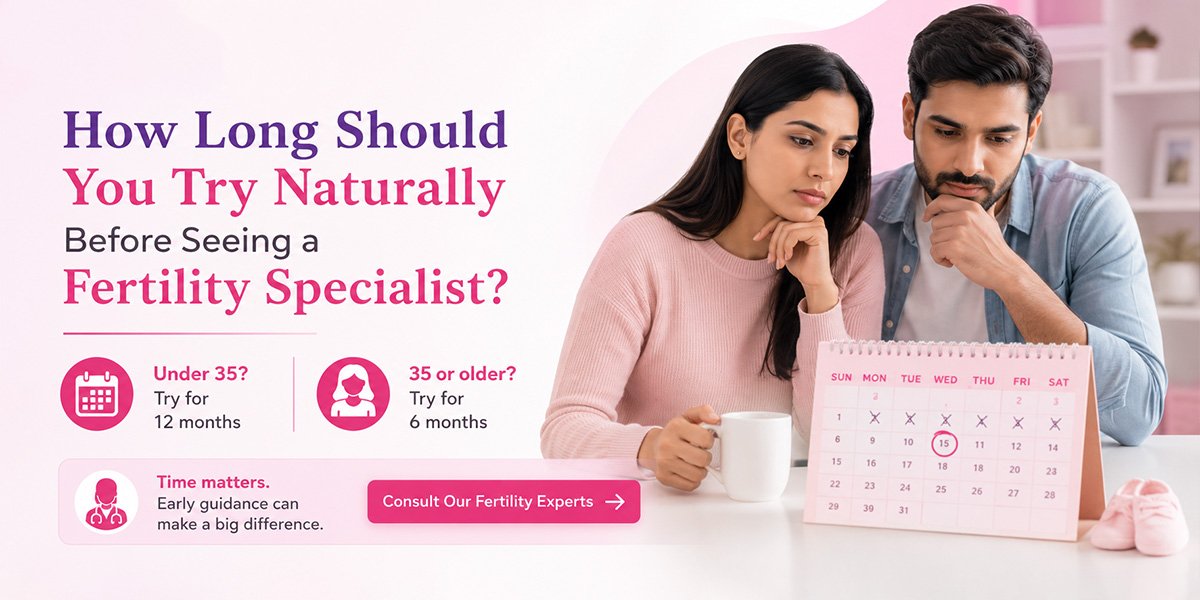
“We’ve been trying for a few months. Should we keep waiting, or is it time to see a fertility specialist?”
This is one of the most common questions couples ask when planning a pregnancy. While many couples conceive naturally within a few months, others may take longer despite having regular menstrual cycles, a healthy lifestyle, and no obvious medical concerns. Well-meaning advice from family and friends often encourages couples to “wait a little longer,” but delaying a fertility evaluation isn’t always the right decision.
Understanding when to consult a fertility specialist in Hyderabad can help identify potential issues early, reduce emotional stress, and improve your chances of achieving a healthy pregnancy.
Most importantly, visiting a fertility specialist doesn’t automatically mean IVF. In many cases, couples simply need expert guidance, lifestyle modifications, or basic fertility treatments to achieve pregnancy naturally.
How Long Does It Usually Take to Get Pregnant?
For healthy couples having regular, unprotected intercourse:
- Around 80–85% conceive naturally within one year.
- Many couples become pregnant within the first six months.
- Some healthy couples simply take a little longer.
Pregnancy depends on several factors, including:
- Female age
- Egg quality
- Ovulation
- Sperm health
- Timing of intercourse
- Overall reproductive health
Not becoming pregnant immediately doesn’t necessarily mean there’s a fertility problem. However, knowing when to seek expert advice can make a significant difference.
When Should You See a Fertility Specialist?
Medical guidelines recommend different timelines depending on age.
Women Below 35 Years
If you’re under 35 and have been trying to conceive for 12 months without success despite regular, unprotected intercourse, it’s advisable to schedule a fertility evaluation.
An early consultation with a trusted fertility specialist in Banjara Hills, Hyderabad, can help identify any hidden factors affecting conception before they become more challenging to manage.
Women Aged 35 Years and Above
If you’re 35 years or older, don’t wait for a full year.
If pregnancy hasn’t occurred after six months, consult a fertility specialist.
Female fertility naturally declines with age, particularly after the mid-thirties. Seeking timely advice provides more treatment options and can improve pregnancy outcomes.
Women Above 40 Years
If you’re planning pregnancy after 40, it’s best not to delay evaluation.
A fertility assessment can help determine ovarian reserve, egg quality, and the most suitable treatment plan based on your individual needs.
Do Regular Periods Mean You’re Fertile?
Many women assume that regular periods guarantee fertility.
While regular menstrual cycles usually indicate ovulation, they don’t confirm that every aspect of fertility is normal.
Successful pregnancy also depends on:
- Healthy eggs
- Open fallopian tubes
- A healthy uterus
- Good sperm quality
- Fertilization
- Embryo implantation
That’s why fertility specialists evaluate the complete reproductive health of both partners instead of focusing on a single factor.
When Should You Seek Help Earlier?
Sometimes waiting six or twelve months isn’t recommended.
Consider consulting a fertility specialist in Hyderabad earlier if you have:
Irregular or Absent Periods
Irregular cycles may indicate ovulation disorders such as PCOS, thyroid disorders, or hormonal imbalance.
Painful Periods
Severe menstrual pain may be a sign of endometriosis, which can affect fertility even when routine scans appear normal.
Previous Miscarriages
Although many women conceive successfully after one miscarriage, recurrent pregnancy loss requires detailed evaluation.
Known PCOS or Endometriosis
Women diagnosed with PCOS or endometriosis often benefit from early fertility planning instead of prolonged waiting.
Previous Pelvic Surgery or Infection
Surgery involving the uterus, ovaries, or fallopian tubes, as well as previous pelvic infections, may influence fertility and should be assessed early.
Male Fertility Is Equally Important
Infertility is not solely a women’s health issue.
Male factors contribute to infertility in a significant number of couples.
Men should consider evaluation if they have a history of:
- Low sperm count
- Varicocele
- Testicular surgery
- Undescended testes
- Chemotherapy
- Erectile or ejaculation problems
At Horizon Women & Fertility, both partners are evaluated because fertility is a shared journey. A simple semen analysis is often one of the first investigations recommended and can provide valuable insights into male reproductive health.
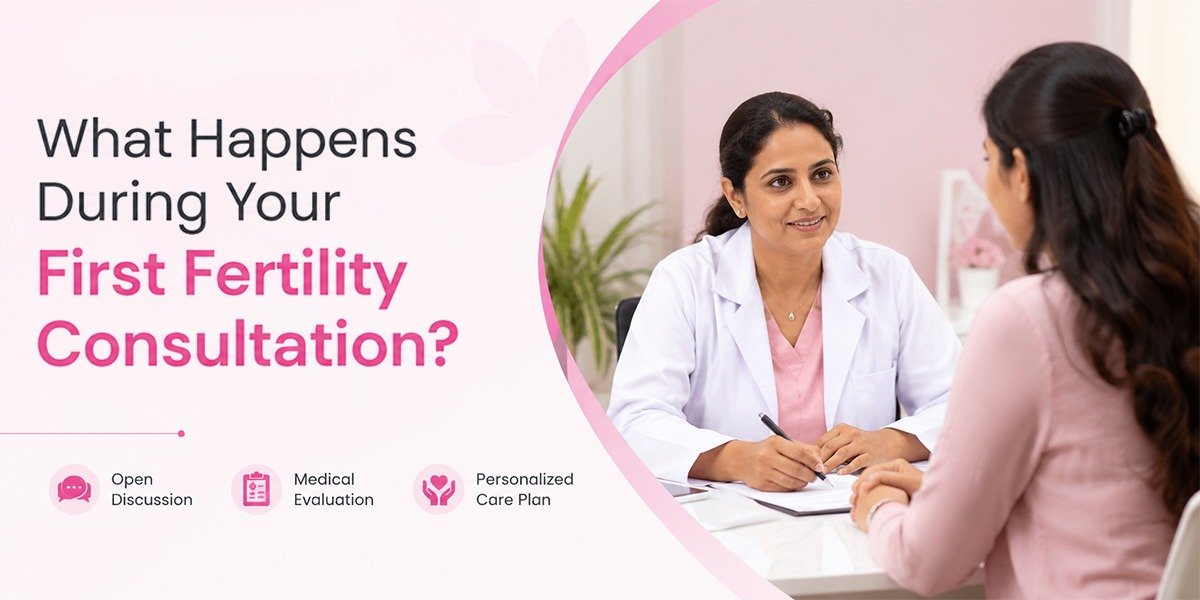
What Happens During Your First Fertility Consultation?
Many couples hesitate to visit a fertility clinic because they assume IVF will be recommended immediately.
In reality, the first consultation focuses on understanding your reproductive health.
During your visit, Dr. Lavanya Bommakanti takes time to understand:
- Your menstrual history
- Previous pregnancies or miscarriages
- Medical conditions
- Lifestyle habits
- Current medications
- Duration of trying to conceive
- Previous fertility treatments, if any
A pelvic ultrasound and physical examination may also be performed when clinically appropriate.
The goal is to identify potential concerns and recommend only the investigations necessary for your individual situation.
What Fertility Tests Might Be Recommended?
Every couple’s fertility journey is different.
Depending on your medical history and examination, your fertility specialist may recommend:
- Ovulation assessment
- Hormonal profile
- AMH testing
- Pelvic ultrasound
- Fallopian tube assessment
- Semen analysis
- Additional investigations if required
Rather than ordering unnecessary tests, the focus is on identifying the cause of delayed conception and creating a personalized fertility plan.
Does Seeing a Fertility Specialist Mean You Need IVF?
Absolutely not.
One of the biggest myths surrounding fertility care is that every consultation leads to IVF.
In reality, many couples conceive with simpler treatments, including:
- Lifestyle modifications
- Weight management
- Ovulation induction
- Timed intercourse
- Intrauterine Insemination (IUI)
IVF is recommended only when clinically appropriate based on age, diagnosis, and previous treatment history.
At Horizon Women & Fertility, treatment plans are always individualized. The objective is to recommend the least invasive and most effective option for every couple.
Why Choosing the Right Fertility Clinic Matters
Choosing an experienced fertility team is just as important as seeking help at the right time.
At Horizon Women & Fertility in Banjara Hills, Hyderabad, every couple receives personalized care based on scientific evidence rather than a one-size-fits-all approach.
Led by Dr. Lavanya Bommakanti (MBBS, MS OBG, MRCOG UK, FRM), the clinic offers comprehensive fertility evaluation and treatment for conditions including PCOS, endometriosis, male infertility, recurrent pregnancy loss, unexplained infertility, IVF, IUI, fertility preservation, and reproductive health.
Patients appreciate the clinic’s transparent communication, compassionate care, and individualized treatment plans that prioritize both emotional well-being and successful outcomes.
The Right Time to Seek Help Is Before You Feel Lost
Trying to conceive can be an emotional journey, especially when pregnancy doesn’t happen as expected. While patience is important, so is knowing when to seek expert advice.
An early consultation isn’t a commitment to fertility treatment—it’s an opportunity to understand your reproductive health and explore the best path forward.
If you’ve been trying to conceive or have concerns about your fertility, consulting an experienced fertility specialist in Hyderabad can provide the clarity and confidence you need.
At Horizon Women & Fertility, Dr. Lavanya Bommakanti and her dedicated team are committed to providing ethical, compassionate, and personalized fertility care for every couple. Whether you need reassurance, fertility evaluation, or advanced reproductive treatment, you’ll receive expert guidance tailored to your unique needs.
Because the best time to seek answers isn’t after hope fades it’s when you decide to take the first step toward parenthood.
FAQs
-
Not necessarily. Many healthy couples conceive within the first year. However, if you’re over 35 or have irregular periods or known fertility concerns, it’s advisable to seek medical advice earlier.